The Science Behind Professional Teeth Whitening
Why does professional whitening outperform shop-bought kits so dramatically? A cosmetic dentist explains the chemistry and clinical evidence.

Dr. James Chen
Cosmetic Specialist
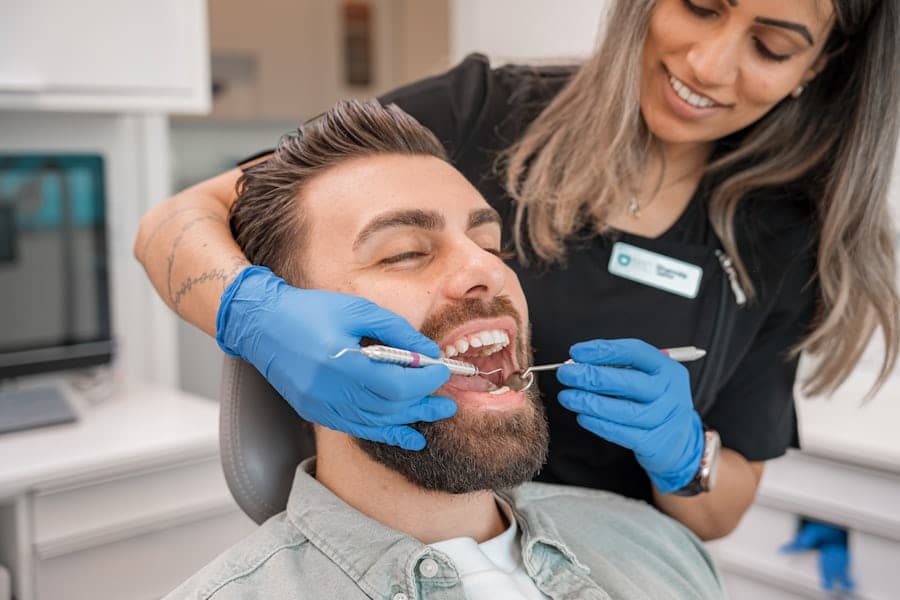
Teeth whitening is the most frequently requested cosmetic dental procedure worldwide — and for good reason. Modern professional systems can lighten teeth by eight to twelve shades in a single session. But what actually happens to your teeth during whitening, and why does professional treatment produce such markedly superior results?
How Whitening Works
The active ingredient in whitening gels — hydrogen peroxide or carbamide peroxide — penetrates the porous enamel and diffuses into the dentine beneath. There, it undergoes an oxidation reaction that breaks apart the long-chain colour molecules (chromogens) responsible for intrinsic staining. The result is a lighter, more uniform tooth colour from within.
Professional vs. Over-the-Counter
The fundamental difference is concentration. EU-regulated professional gels contain up to 6% hydrogen peroxide — significantly higher than the 0.1% permitted in over-the-counter products. Professional trays are custom-fitted to your exact tooth shape, maximising contact between the gel and the enamel while preventing the leakage and gum irritation caused by ill-fitting whitening strips.
- check_circleProfessional gels achieve 8–12 shades of improvement
- check_circleShop-bought strips typically achieve 1–2 shades
- check_circleCustom trays eliminate gum irritation from gel overflow
- check_circleIn-chair sessions add heat or light activation for faster results
Sensitivity: Causes and Management
Transient tooth sensitivity is the most common side effect of whitening. The peroxide temporarily increases the permeability of enamel, allowing thermal stimuli to reach the pulp more easily. This typically resolves within 24–48 hours. Using a potassium nitrate desensitising gel in your trays before and after whitening sessions significantly reduces discomfort.
“The best whitening result is one that matches your complexion and the whites of your eyes — it should look natural, not artificial.”
Maintaining Your Results
Whitening results are not permanent — dietary habits and natural ageing cause gradual restaining. Coffee, red wine, tea, and berries are the primary culprits. A simple top-up session of one to two nights with your custom trays every six months maintains your result effectively. We recommend whitening before any planned cosmetic work, as crowns and veneers cannot be whitened.
Related Articles

Have questions? Let's talk.
Our team is here to help. Book a consultation and let us create a care plan tailored to you.