Porcelain Veneers Explained: Your Complete Guide
Veneers can transform your smile dramatically and permanently. Everything you need to know — from candidacy to aftercare.

Dr. James Chen
Cosmetic Specialist
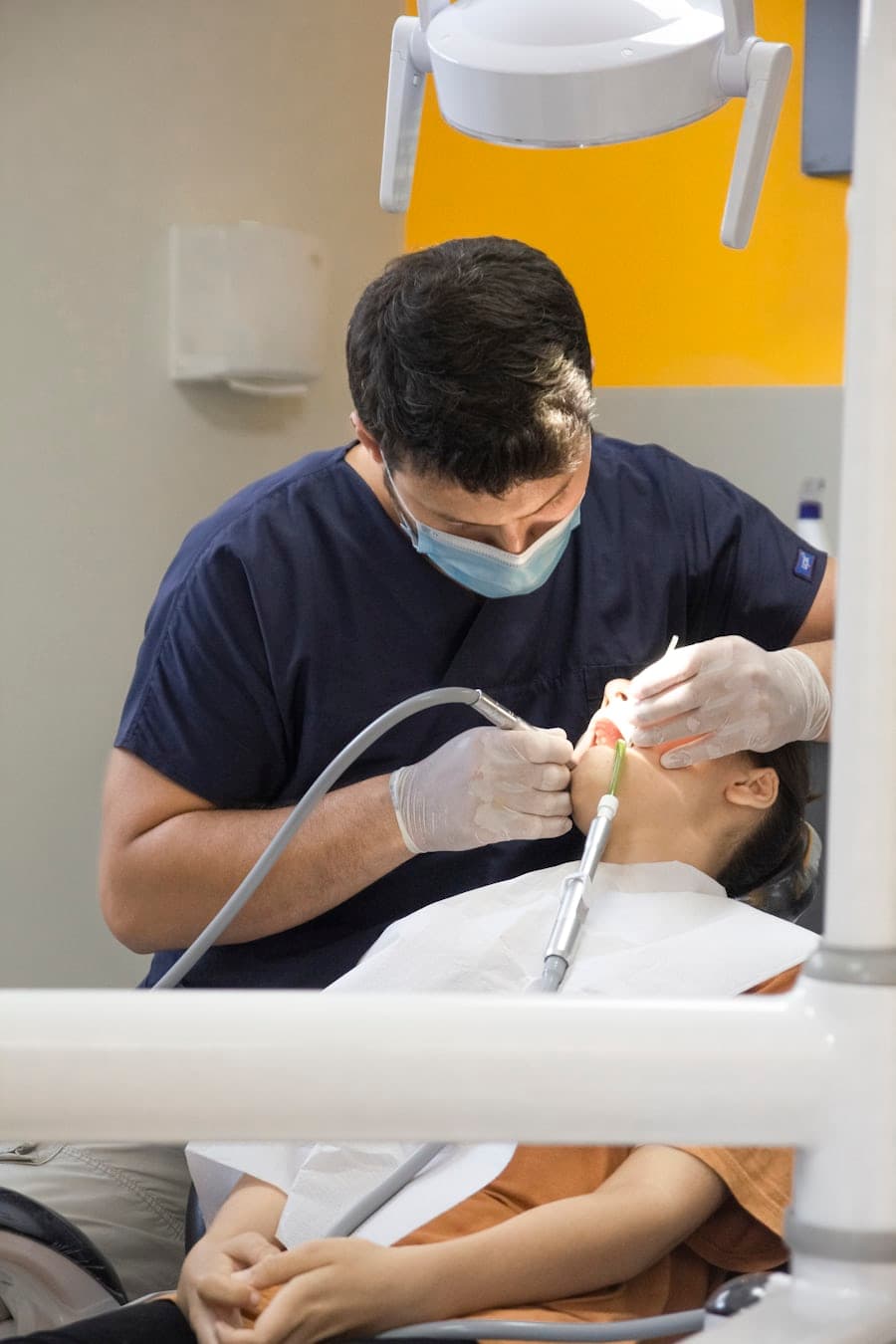
Porcelain veneers are wafer-thin shells of dental ceramic, individually crafted to bond to the front surface of your teeth. They can correct a surprisingly wide range of aesthetic concerns — from deep intrinsic staining and chipped edges to irregular shapes, gaps, and minor crowding — in as few as two appointments.
Who Is a Good Candidate?
The ideal candidate for veneers has teeth that are structurally sound, with healthy gums and no active decay. Veneers are not suitable for patients with severe grinding habits (bruxism) unless a night guard is also prescribed. They are permanent — a small amount of enamel is removed during preparation — so the decision requires careful thought.
- check_circleIntrinsic staining that does not respond to whitening
- check_circleChipped, worn, or fractured teeth
- check_circleGaps between teeth (diastemas)
- check_circleSlightly crooked teeth where orthodontics is declined
- check_circleNaturally small or unusually shaped teeth
The Treatment Process
During the consultation, we use digital imaging to design your veneers and show you a preview of the result before any treatment begins. At the preparation appointment, approximately 0.3–0.5 mm of enamel is removed to create space for the veneer. Temporary veneers are placed while your porcelain shells are crafted in our dental laboratory. At the final appointment, the permanent veneers are bonded with dental adhesive and light-cured.
“A great smile should look like you — only more refined. Our design process starts with understanding your face, your personality, and your goals before we ever touch a tooth.”
Longevity and Care
With proper care, porcelain veneers last between 10 and 20 years. They are stain-resistant and maintain their colour over time. To maximise longevity: avoid biting hard objects like ice or pen lids, wear a night guard if you grind, and maintain excellent oral hygiene. Veneers cannot be whitened, so adjacent natural teeth should be whitened before veneer placement.
Cost and Alternatives
Veneers are an investment in both aesthetics and confidence. For patients seeking a less permanent or more budget-conscious option, composite bonding achieves similar results in a single visit without enamel removal, though it is less durable and more prone to staining over time.
Schedule a smile design consultation to see a digital preview of your results — completely obligation-free.
Related Articles
Have questions? Let's talk.
Our team is here to help. Book a consultation and let us create a care plan tailored to you.